
Friday
3 FebRural and Remote Nursing: Challenges and Opportunities
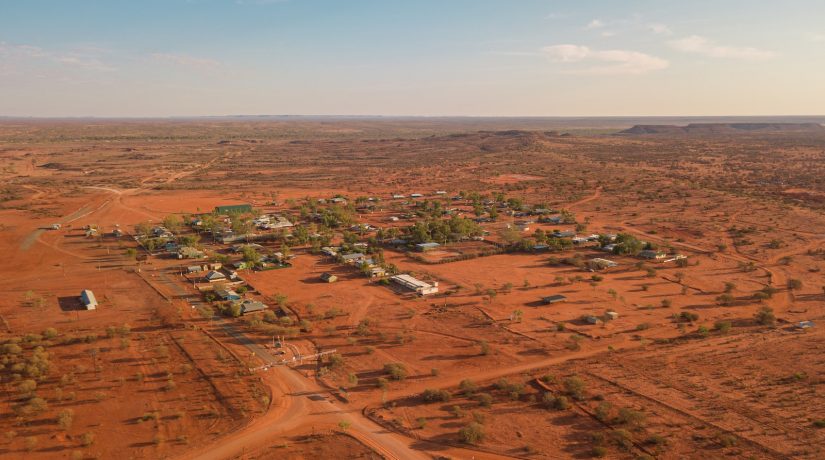
Australia is known for its vast and diverse landscapes, from bustling cities to vast stretches of rural and remote areas. While most people tend to flock to urban areas, there are those who live and work in rural and remote parts of the country. Rural and remote nurses play a critical role in providing essential healthcare services to communities that are often underserved and have limited access to healthcare facilities.
In this article, we will explore the challenges and opportunities of nursing in rural and remote areas of Australia.
What is Rural and Remote Nursing?
Rural and remote nursing refers to the practice of nursing in areas that are located far away from major metropolitan areas. These areas may have limited access to healthcare facilities, specialised medical services, and healthcare professionals. These nurses are needed to ensure that people living in these areas have access to the medical care they need, regardless of their location or socioeconomic status.
Nurses who work in rural and remote areas may be responsible for providing a wide range of healthcare services to patients, often in challenging and unpredictable conditions. As such, rural and remote nursing requires nurses to be highly adaptable, resourceful, and knowledgeable, with a strong commitment to patient care and advocacy.
3 Challenges
Limited Healthcare Facilities
One of the biggest challenges of nursing in rural and remote areas of Australia is the limited availability of healthcare facilities. Many rural and remote communities have only a few healthcare facilities, which may not be equipped to handle complex medical cases. This means that nurses in these areas may need to work with limited resources and be required to transfer patients to other facilities for advanced medical care.
Lack of Access to Specialised Care
Due to the limited healthcare facilities in rural and remote areas, access to specialised care can be difficult. Patients with complex medical conditions may need to travel long distances to receive specialised care, which can be both time-consuming and expensive. This can also be challenging for nurses, who may need to provide ongoing care to patients with complex medical needs.
Isolation and Loneliness
Working in rural and remote areas can be isolating for nurses, as they may be far away from their families and friends. This can lead to feelings of loneliness and isolation, which can affect their mental health and well-being. Additionally, nurses in rural and remote areas may also have limited opportunities for professional development and networking.
3 Opportunities
Collaborative and Supportive Work Environment
Nurses who work in rural and remote areas often work in close-knit communities where everyone knows each other. This can create a collaborative and supportive work environment, where nurses can work closely with other healthcare professionals to provide quality care to patients. This can also provide opportunities for nurses to learn from one another and expand their skills and knowledge.
Opportunities for Professional Development
While there may be limited healthcare facilities in rural and remote areas, this can also create opportunities for nurses to expand their skills and knowledge. Nurses in rural and remote areas may be required to work in a variety of roles and settings, which can provide them with diverse experiences and opportunities for professional development. Additionally, nurses in rural and remote areas may have access to training and development programs that are specifically designed for their unique needs.
Meaningful Work and Impact
Nurses who work in rural and remote areas often have a significant impact on their communities. They may be the only healthcare professionals in the area, which means that they play a critical role in providing essential healthcare services to the community. This can be incredibly meaningful work and can provide nurses with a sense of purpose and fulfillment.
Strategies for Success
To succeed in nursing in rural and remote areas of Australia, nurses should consider the following strategies:
- Build strong relationships with other healthcare professionals and the community.
- Take advantage of opportunities for professional development and training.
- Stay up-to-date with the latest healthcare technologies and practices.
- Practice self-care to prevent burnout and manage stress.
- Embrace the challenges and opportunities of working in a rural and remote area.
Rural and Remote Nursing Jobs
There is high demand for registered nurses who are interested in working in rural and remote areas. These jobs are often located in small hospitals, health clinics, and community health centers, and may require nurses to work in a variety of settings and roles.
Some common rural and remote jobs for nurses in Australia include:
- Registered Nurse: Registered nurses in rural and remote areas may work in a variety of settings, including emergency rooms, operating rooms, and community health clinics.
- Nurse Practitioner: Nurse practitioners in rural and remote areas may work independently, providing primary care services to patients in the community. They may also work in collaboration with other healthcare professionals to provide more complex medical care.
- Aged Care Nurse: Aged care nurses in rural and remote areas may work in nursing homes, providing care to elderly patients who may not have access to specialised care.
- Mental Health Nurse: Mental health nurses in rural and remote areas may work in community mental health clinics, providing counseling and support to patients who may not have access to specialised care.
- Midwife: Midwives in rural and remote areas may work in small hospitals or health clinics, providing care to pregnant women and delivering babies.
If you’re considering being a rural and remote nurse, it’s important to consider the unique challenges and opportunities of working in these areas. You may need to be prepared to work in a variety of roles and settings, and may need to travel long distances to provide care to patients.
Conclusion
Nursing in rural and remote areas of Australia can be both challenging and rewarding. While there may be limited healthcare facilities and access to specialised care, there are also opportunities for professional development, a collaborative and supportive work environment, and meaningful work and impact. By embracing the challenges and opportunities of working in rural and remote areas